
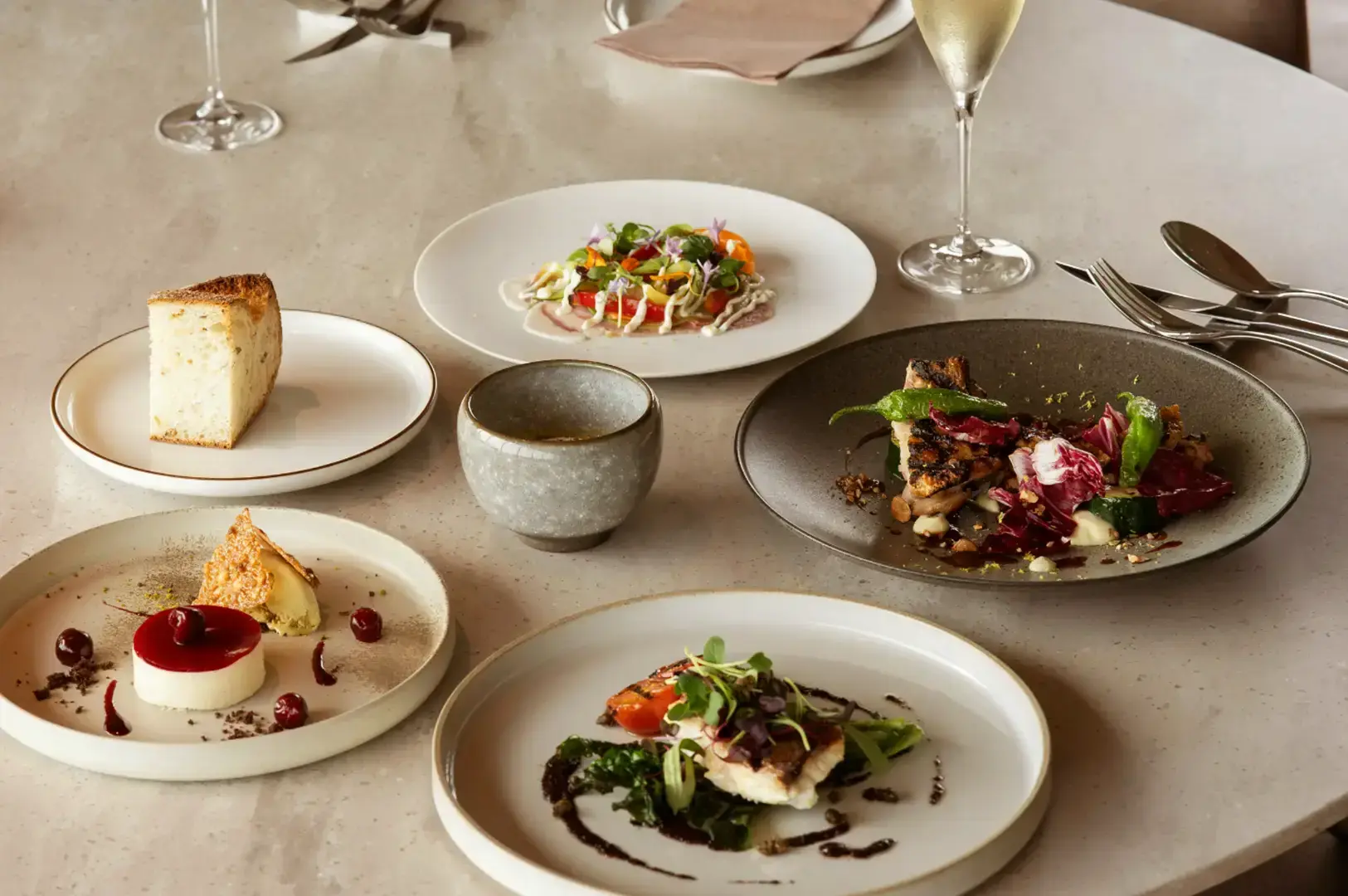
On one of our anniversaries, I remember the cutlery more than the food.
Three forks on the left. Two knives and a spoon on the right. A small bread plate I wasn’t sure belonged to me. The dining room was hushed, and I spent the first two courses quietly copying the woman at the next table. When she lifted a fork, I lifted a fork.
My husband asked me something about the bread. I didn’t hear him. Somewhere around the main course, he reached across the table and said, “You know nobody’s grading us, right?” Since then, I’ve learned that good dining etiquette isn’t about mastering every rule. It’s about feeling comfortable enough to enjoy the person sitting across from you.
The First Rule of Dining Etiquette
The first rule is consideration, for your partner, the staff, and your fellow diners. Good manners should make everyone feel comfortable rather than draw attention to how well you know the rules. A lovely Anniversary Dinners aren’t measured by your ability to identify a seafood fork. It’s measured by how present you are for the person sharing your meal.
Check the Fine Dining Restaurant's Booking Policies
Before confirming your reservation, review:
Deposits and cancellations: Understand when changes become chargeable.
Dietary restrictions: Inform the restaurant about allergies in advance.
Celebration arrangements: Ask about cakes, flowers, and special requests.
Dining duration: Tasting menus may last two to three hours or longer.
Seating arrangements: Check whether particular tables can be requested.
At Singapore’s Odette, reservation changes require at least 72 hours’ notice, and deposits are non-refundable. Its pastry team also needs 72 hours’ notice to prepare celebration cakes.
Les Amis charges S$250++ per guest for cancellations made less than 48 hours before reservations involving five or fewer diners.
If you’re planning to bring an anniversary cake, checking the restaurant’s cakeage, storage and presentation arrangements beforehand can help the celebration unfold smoothly.
These policies are worth understanding before committing to a special occasion.
Arriving at the Restaurant: Seating Etiquette and First Impressions
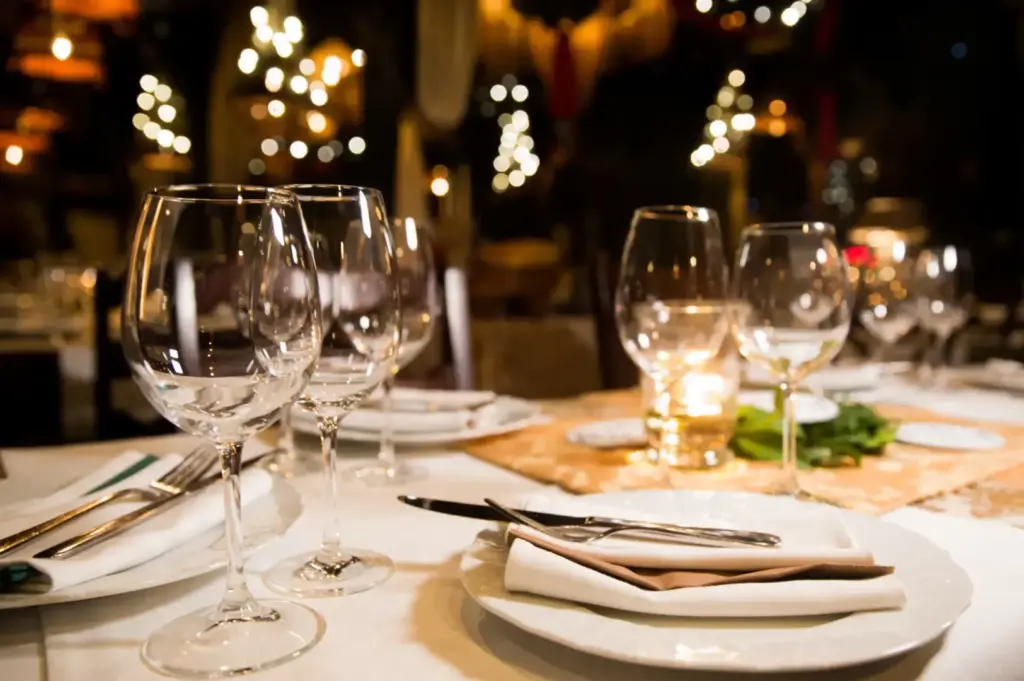
Perhaps you’re hoping for a window seat or a quieter corner. It’s perfectly acceptable to make that request in advance, but specific seating arrangements aren’t always guaranteed. In formal business meals, seating etiquette sometimes involves waiting until the host sits or invites everyone to sit.
For an anniversary, it’s simpler. Follow the staff member showing you to your table and make yourselves comfortable. I wouldn’t let a different table become the first disappointment of our evening.
Anniversary Dinner Dress Code: Smart Casual or Black Tie?
For one of our anniversaries, I nearly bought a new dress because I assumed a high end restaurant required formal attire. It didn’t. Most fine dining establishments in Singapore use some variation of smart casual rather than black tie, although individual rules differ.
Les Amis prohibits shorts and flip-flops, while Waku Ghin permits tailored shorts with appropriate footwear under its dress code.
What Should You Wear?
Men: Tailored trousers, a collared shirt, and suitable shoes are dependable choices.
Women: A dress or tailored separates can feel elegant without being uncomfortable.
Both: Choose clothing that allows you to enjoy a lengthy dinner comfortably.
I like dressing a little more thoughtfully for anniversaries. Not because anyone expects it, but because getting ready becomes part of the anticipation. The best outfit is one you can forget about once dinner begins.
Fine Dining Etiquette: Mastering Table Manners Without the Anxiety
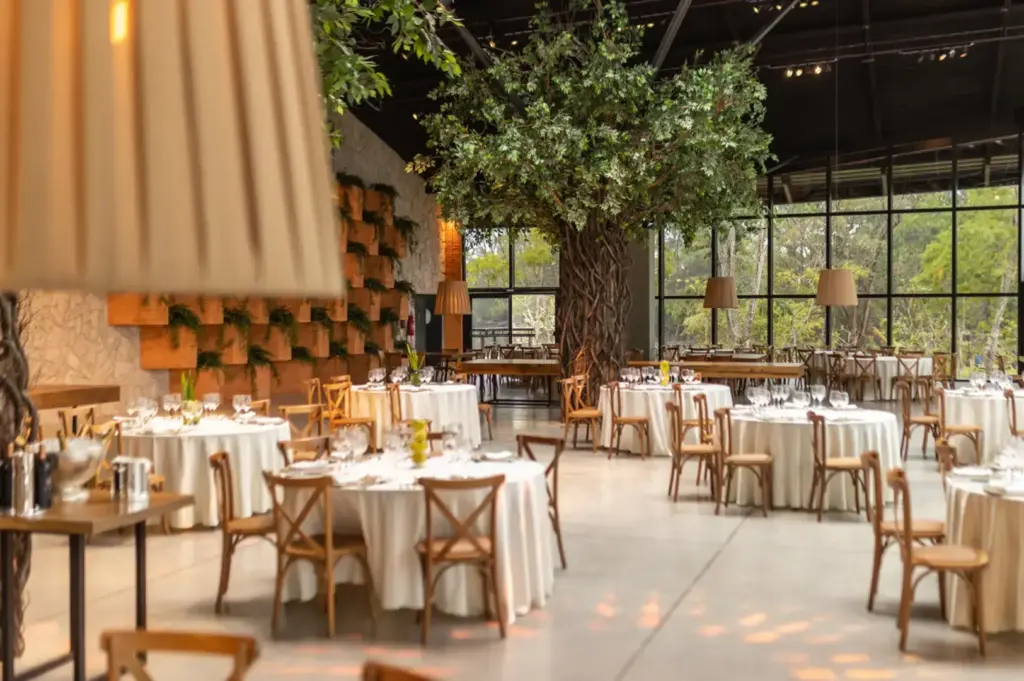
This is what I wish someone had explained before that first formal dinner. You don’t need to memorise every utensil. A few simple etiquette tips are enough.
Understanding the Dinner Table Setting
In traditional formal settings, a place setting may include a salad fork, dinner fork, dinner knife, soup spoon, and occasionally specialised seafood utensils. The general rule is work from the outside in.
Start with the utensils farthest from your plate, moving inward as the courses progress. Your dinner fork is usually on the left, while your dinner knife sits on the right with its blade facing the plate. Many restaurants provide fresh cutlery for each course, removing much of the guesswork.
Napkin Etiquette, Bread Plates and Glasses
Three small details make a formal table setting easier to understand:
Napkin etiquette: Place the napkin in your lap after sitting down.
Bread and butter plate: Usually positioned to your left, sometimes with a small butter knife.
Glasses: Usually arranged above and to the right of your plate.
If you leave the table temporarily, place your napkin loosely on your chair or beside your plate, depending on the restaurant’s convention. When you’ve finished eating, leave it loosely beside your plate rather than folding it neatly.
Eating Soup and Using Your Cutlery
When eating soup, scoop gently with the soup spoon, following the bowl’s shape. Avoid raising the entire soup bowl towards your mouth or making unnecessary noise. For other dishes, hold your knife and fork comfortably, using your thumb and index finger to guide the utensils without gripping tightly. Take manageable bites, chew with your mouth closed, and avoid speaking while putting food into your mouth.
These are familiar examples of proper table manners, not complicated rules designed to make people nervous.
When Should You Begin Eating?
Generally, wait until everyone has their food served before you start eating. However, some fine dining dishes are intended to be enjoyed immediately. A delicate pastry might lose its crisp texture, while a warm sauce can thicken as it cools. If the server encourages you to begin eating, follow their guidance.
Respecting the kitchen’s intentions is also good etiquette.
Mobile Phones at the Dinner Table: The Etiquette of Being Present
I think mobile phones interrupt anniversary dinners more often than incorrect cutlery. There’s nothing wrong with taking a photograph together. I love having those little reminders of places we’ve celebrated.
A Few Phone Etiquette Tips
Take photographs, then put your phone away.
Avoid scrolling between courses.
Step outside for important calls when possible.
Respect the privacy of fellow diners.
Checking an urgent message is understandable. Repeatedly responding to work emails during dinner is another matter. Good manners include giving your partner your attention.
Wine Etiquette Without Pretending to Be an Expert
Wine service can feel intimidating, particularly when the wine list contains unfamiliar regions, producers, and vintages. I certainly don’t recognise every Burgundy producer, and I’ve stopped feeling embarrassed about it.
Understanding the Wine Glass and Tasting Ritual
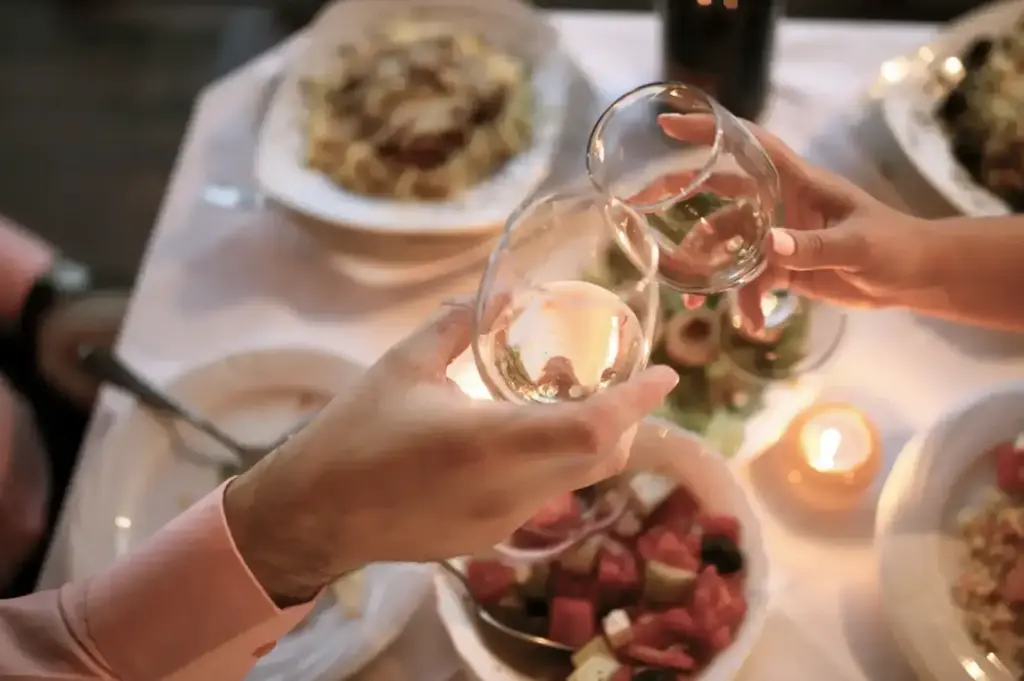
When a bottle arrives, the server may present its label before offering a small tasting pour. This allows you to check that the correct wine has been opened and that it appears sound. Different glasses may be used for white wine, red wines, or sparkling wine. A champagne flute is common, although some restaurants prefer larger glasses for Champagne.
You don’t need to know every glass shape. And if you’re not drinking alcohol, tea or a non-alcoholic pairing can be just as enjoyable. A beautiful anniversary doesn’t depend on ordering expensive wine.
Handling Awkward Dining Moments Gracefully
Even beautifully planned evenings can involve small mishaps. I’ve learned that our response often matters more than the mistake.
When Something Goes Wrong
Dirty glass: Quietly request a replacement.
Dropped fork: Ask for clean cutlery rather than retrieving it for continued use.
Spilled wine: Apologise and allow the staff to help.
Incorrect main course: Explain the mistake politely.
A dish you dislike: You’re allowed to leave food you don’t enjoy.
Good manners also involve keeping your voice calm and avoiding unnecessary embarrassment for the people present.
What Fine Dining Costs in Singapore
Understanding the cost beforehand makes the dining experience more comfortable. Singapore’s fine dining restaurants vary considerably in price, especially between lunch menus and elaborate evening tastings.
Examples of Published Tasting-Menu Prices
Restaurant | Menu price per person |
|---|---|
Restaurant Labyrinth | From S$208++ lunch |
Cloudstreet | S$248++ six-course lunch; S$398++ eight-course menu |
Odette | S$398++ vegetarian dinner; S$498++ Épicure dinner |
Waku Ghin | S$550++ Chef's Table |
These are published examples and may change.
Common Anniversary Dinner Situations and What to Do
One partner finishes first. Continue your conversation naturally. Don’t make the other person feel rushed.
Someone doesn’t understand the menu. Ask the server. There’s no reason to feel embarrassed.
The anniversary dessert arrives early. Politely clarify the timing if it matters.
One person prefers casual dining. Choose somewhere both can relax. An expensive restaurant isn’t automatically more romantic.
These principles also apply to business dining etiquette, although business meals may involve additional expectations around introductions, hosting, and seating. For anniversaries, the emphasis should remain on enjoying each other’s company.
What I Wish I'd Known
Do I Need to Memorise Every Utensil?
No. Start from the outside and work inward. Ask the server if you’re unsure.
Are Elbows on the Table Considered Rude?
Traditional etiquette discourages elbows on the table while eating. Resting them there during conversation between courses is generally acceptable.
Should We Wait for Both Meals Before Eating?
Usually, yes. Follow the server’s advice if a particular dish should be enjoyed immediately.
The Only Anniversary Dinner Rule That Really Matters
I don’t remember which fork I used. I remember my husband laughing at something I said over the second course. I remember the light outside changing from gold to grey. And I remember not looking at the next table even once. That evening reminded me how much had changed since our fifth anniversary.
I had learned the rules, certainly. But more importantly, I’d learned that proper dining etiquette was never supposed to occupy my attention. A misplaced fork rarely ruins a celebration. An evening spent worrying about appearances can take away something far more valuable.